


The Foundations of Poker: Game of Strategy
At its core, poker is often regarded as a game of strategy, where players must assess their opponents’ behaviors and tendencies. This strategic element is what sets poker apart from many other gambling games, where luck plays a more dominant role. In poker, skillful players dedicate time to learning not just the rules of the game, but also crucial aspects like reading faces, gauging emotions, and interpreting betting patterns. Additionally, those interested in enhancing their gaming experience may explore various options, including casino online platforms that offer unique features and bonuses. These skills enable them to make educated decisions based on the projected actions of others.
Furthermore, the ability to bluff effectively can significantly impact a game’s outcome, showcasing how strategic thinking can manipulate chance to a player’s advantage. A well-timed bluff can lead opponents to fold superior hands, thus leveraging skill to overcome the randomness of card distribution. The integration of psychological insight into game strategy allows seasoned players to thrive even in the face of what might otherwise seem like unfavorable odds.
This strategic dimension of poker goes beyond just the individual hand; it encompasses overall game theory principles. Players must adapt their strategies based on previous actions throughout the game, and they must adjust to opponents’ styles. This complex, evolving strategy is a hallmark of poker as a skill-based endeavor, making it not just about the cards dealt but about how those cards are played and the strategies employed during the game.
The Element of Chance: Luck in the Deck
No discussion of poker can be complete without acknowledging the inherent element of chance that the game involves. The cards dealt at any given moment are random, creating a dynamic where even the most skilled player can find themselves at a disadvantage due purely to luck. For example, a player can make all the right decisions but still lose if they do not receive favorable cards. This randomness is what keeps the game exciting and unpredictable, drawing in a wide audience.
However, while luck may influence the outcome of individual hands, its impact diminishes over a longer series of games. Statistically, a less skilled player will find it increasingly difficult to maintain a winning streak against a more skilled opponent over time. This phenomenon underscores a critical distinction in poker: while luck plays a role in short-term outcomes, skill becomes increasingly dominant in the long run. The best players consistently perform well because they know how to manage risk and make the most of their chances.

Moreover, understanding the role of chance leads to strategic betting and decision-making among players. For instance, a knowledgeable player might recognize when to take aggressive actions or when to play conservatively, based on the likelihood of receiving specific cards. In this way, the intersection of skill and chance becomes a dance; the more skilled players develop strategies to account for luck, thus mitigating its potential negative effects over time.
Psychological Warfare: Reading Opponents
The psychological aspect of poker is one of the most intriguing dimensions that underscores its nature as a game of skill. Successful poker players are adept at reading their opponents’ tells, subtle cues that reveal information about their hands or intentions. This skill often separates the average players from the elite, as those who can decipher opponents’ behaviors can make more informed decisions. This requires not just an understanding of psychology, but also extensive practice and experience.
In practice, reading opponents goes beyond merely observing physical reactions. It involves analyzing betting patterns, timing, and even vocal expressions during gameplay. Knowing how to interpret these signals enables players to make strategic choices, whether it’s folding when an opponent is confident or calling a bluff when they sense weakness. The psychological dimension of the game adds layers of complexity, turning poker into a sophisticated battle of wits rather than just a game of chance.
Moreover, players can also employ tactics to mislead opponents about their own hand strength, introducing further elements of strategy into the game. This cat-and-mouse game of deception and insight means that skill does not only lie in card play but also in mental acuity. Understanding the nuances of human behavior enhances a player’s ability to navigate the complexities of poker, reinforcing the idea that mastery of the game requires both emotional intelligence and analytical thinking.
Long-Term Success: Mastering the Game
The trajectory of poker players often reveals a clear trend: those who invest the time to study the game, practice regularly, and refine their skills tend to achieve greater success over the long haul. While luck can influence individual games, sustained success relies heavily on a player’s ability to adapt, strategize, and learn from every hand played. This investment in self-improvement underscores the skill aspect of poker, as players continuously analyze their performance and seek ways to enhance their efficacy.
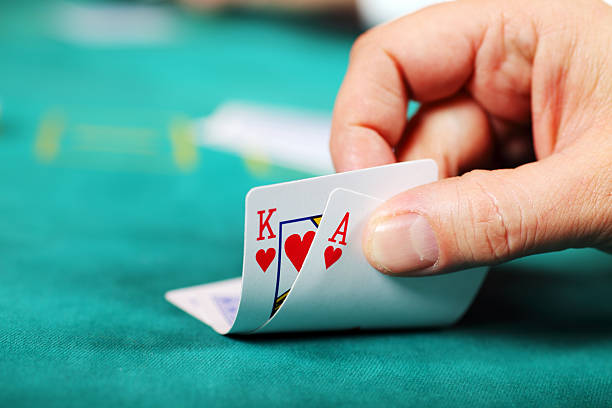
Several aspects contribute to long-term success in poker. Advanced techniques such as game theory optimal (GTO) strategies and exploitative play can significantly elevate a player’s understanding of the game. Successful players learn how to balance their strategies, ensuring they remain unpredictable while maximizing their chances of winning. This level of strategic depth demonstrates that poker is not only a game of luck but is fundamentally rooted in mastering complex concepts and applying them effectively in various situations.
Lastly, the ability to manage financial risks and bankroll effectively is a critical skill that can determine a player’s longevity in the game. This includes knowing when to play at higher stakes and when to step back. Effective bankroll management is a blend of strategic foresight and disciplined decision-making, reinforcing the idea that skill is paramount for sustained success. Thus, the poker landscape reveals a clear narrative: the most successful players are those who combine their understanding of skillful play with insights drawn from chance.
Exploring Our Expertise
At our website, we delve into the intricate world of poker, offering insights and resources tailored for both aspiring and experienced players. Our extensive articles and guides cover various aspects of the game, from fundamental strategies to advanced techniques that can enhance your gameplay. By fostering a deep understanding of poker, we aim to help our readers navigate the complex interplay of skill and chance more effectively, ultimately enabling them to make informed decisions at the poker table.
Moreover, our community forums provide a platform for players to exchange experiences, share strategies, and seek advice from fellow enthusiasts. Engaging with others who share a passion for poker not only enhances learning but also allows for the continuous sharing of evolving strategies. Through insightful discussions and shared experiences, players can refine their approach, better equipping themselves to tackle the unpredictable nature of the game.
In conclusion, whether you are playing casually or competitively, our website serves as a valuable resource for deepening your understanding of poker. By exploring the blend of skill and chance, we hope to empower poker enthusiasts to enhance their gameplay and embrace the exciting challenges that this timeless game presents.