


Understanding the cycles of gambling addiction Strategies for recovery and support
Recognizing the Cycle of Gambling Addiction
Gambling addiction often follows a repetitive cycle that can be challenging to break. Initially, many individuals engage in gambling for recreational purposes, enjoying the thrill and excitement it brings. However, as time progresses, this casual enjoyment can evolve into compulsive behavior, where the individual feels a growing need to gamble despite negative consequences. This can include exploring online poker for real money, which further complicates their relationship with gambling.

This cycle typically involves phases of winning, losing, and chasing losses, which can create a rollercoaster of emotions. The initial wins can lead to increased risk-taking, while subsequent losses often trigger feelings of despair and the urge to gamble again in hopes of recouping losses. Understanding this cycle is crucial for both individuals and their loved ones to effectively support recovery.
The Psychological Impact of Gambling Addiction
The psychological effects of gambling addiction can be profound, affecting not only the individual but also their relationships and overall well-being. Many individuals experience anxiety, depression, and a sense of isolation, as gambling can lead to financial instability and a breakdown of trust with family and friends. This emotional turmoil often exacerbates the addiction, creating a vicious cycle of despair.
Furthermore, the stigma surrounding gambling addiction may deter individuals from seeking help. It is essential to foster an environment where individuals feel safe to discuss their struggles and seek support. By addressing the psychological impact and reducing stigma, individuals can find pathways to recovery more effectively.
Strategies for Recovery from Gambling Addiction
Recovery from gambling addiction typically requires a multifaceted approach. Counseling and therapy play a vital role, offering individuals a safe space to explore the underlying issues contributing to their addiction. Cognitive-behavioral therapy, in particular, has proven effective in helping individuals reframe their thinking about gambling and develop healthier coping mechanisms.
Support groups, such as Gamblers Anonymous, provide a sense of community and understanding, enabling individuals to share their experiences and learn from others who have faced similar challenges. Developing a robust support network is essential for sustained recovery, as it helps individuals to stay accountable and motivated throughout their journey.
The Role of Technology in Gambling Addiction
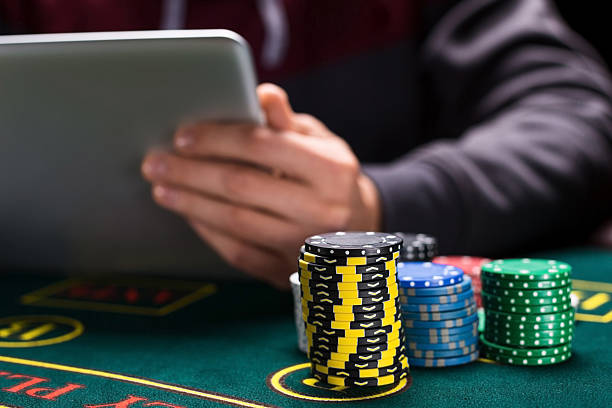
In today’s digital age, technology has significantly impacted gambling behaviors. Online casinos and mobile gaming apps have made gambling more accessible than ever, often leading to increased rates of addiction. The convenience of gambling from home can blur the lines between casual play and compulsion, making it difficult for individuals to recognize when they have crossed into dangerous territory.
However, technology also offers tools for recovery. Many apps and online resources provide information about responsible gambling, self-assessment tools, and connections to support networks. Utilizing these technological resources can empower individuals to take control of their gambling habits and find pathways to recovery.
About Our Website and Support Resources
This website is dedicated to providing valuable information and support for those affected by gambling addiction. With a focus on educational resources and community engagement, we aim to foster understanding and awareness surrounding this issue. Our platform emphasizes the importance of both prevention and recovery, offering insights into the cycles of addiction and practical strategies for support.
By connecting individuals with resources and support networks, we hope to create an environment where healing and recovery are attainable. Whether you are seeking help for yourself or someone you care about, our website is a hub for knowledge and encouragement in the journey towards a healthier relationship with gambling.